

In the digital world, businesses are constantly sprinting to stay ahead of the competition and hold onto their competitive advantage. One crucial factor in achieving this is reducing the time to market for new digital products.
Time-to-market refers to the time it takes for a product or service to be developed, tested, and launched to the market. The faster a company can bring a product to market, the more likely they are to succeed. In this article, we’ll explore strategies to reduce time-to-market and help your business stay ahead of the curve.
Strategies to Reduce Time-to-Market
Reducing time-to-market is an essential part of any successful business strategy. It allows companies to quickly react to changes in the market and stay ahead of the competition.
Work With Experts
When speed to market matters, time isn’t just a resource, it’s a competitive advantage. Hiring experienced professionals is a strategic investment that accelerates development and reduces risk.
Seasoned experts bring proven processes and real-world insight. They can anticipate challenges, avoid common pitfalls, and keep projects moving efficiently. This leads to faster timelines and fewer costly delays.
Less experienced or offshore teams often require more oversight and rework. That can extend development cycles and increase post-launch fixes. In contrast, experienced teams deliver cleaner builds the first time.
Working with local experts adds another layer of value. You benefit from better communication, cultural alignment, and stronger collaboration.
The result is simple. Faster launches, lower long-term costs, and a better chance to capture market opportunities before competitors.
Embrace Agile Methodology

Agile methodology is a product management approach that focuses on flexibility, collaboration, and continuous improvement. It breaks down a project into smaller, more manageable tasks, allowing for faster development, delivery, and learnings.
Through the implementation of agile methodology, companies can decrease time-to-market by promptly identifying and resolving any potential problems that may occur throughout the development phase.
Additionally, this method enables more frequent deployments, providing businesses with the chance to collect feedback and implement enhancements promptly.
Prioritize and Streamline Tasks
When creating a new product, prioritize essential features and functions while avoiding unnecessary tasks that may hinder development speed.
Businesses can speed up bringing a basic product to the market by organizing and simplifying tasks. This helps them get feedback and make improvements more quickly, resulting in a better and more successful product over time.
Enhance Collaboration and Communication

Effective collaboration and communication among team members are vital for minimizing delays and expediting the development process. Streamline communication channels, leverage collaboration tools, and encourage cross-functional teamwork. This ensures smooth coordination, accelerates decision-making, and reduces time-to-market.
Automate Processes

Automation is a key strategy for reducing time-to-market. By automating repetitive tasks, businesses can save time and resources, allowing for a faster development process. This can include automating testing, deployment, and other processes that would otherwise be done manually.
Automation also reduces the risk of human error, leading to a more efficient and accurate development process. This can result in a higher quality product being brought to market in a shorter amount of time.
Utilize Cloud Computing
Cloud computing has completely changed the way businesses develop and launch products. By utilizing cloud services, businesses can access the resources they need to develop and test their products quickly and efficiently.
Cloud computing also allows for easier collaboration between team members, regardless of their location. This can speed up the development process and reduce time-to-market.
Implement Continuous Integration and Delivery
Continuous integration (CI) and continuous delivery (CD) are practices that involve automating the process of building, testing, and deploying code changes. This allows for faster and more frequent releases, reducing the time it takes for your product to get to market.
By implementing CI/CD, businesses can quickly identify and fix any issues that may arise during the development process. This leads to a more efficient and streamlined development process, resulting in a faster time-to-market.
Measuring Time-to-Market
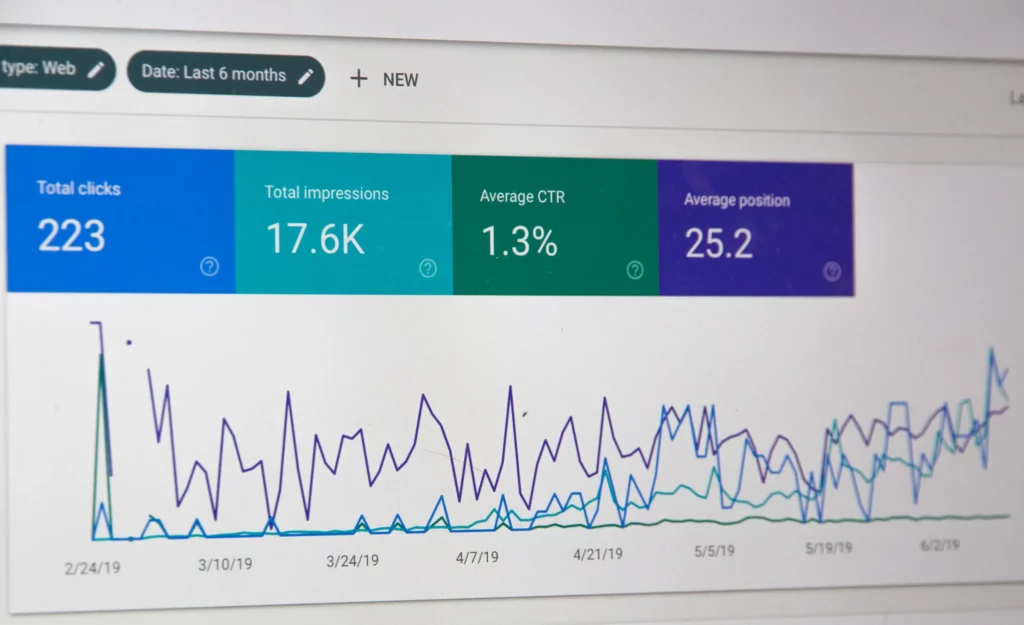
To effectively reduce time-to-market, it’s crucial to have a way to measure it. This can be done by tracking key metrics such as:
-
- Idea to Launch Time: Calculate the time it takes to go from thinking of an idea to launching a product. This involves coming up with ideas, doing research, making plans, developing the product, testing it, and finally releasing it.
-
- Development to Launch Time: Keep track of the time it takes to develop and release a product. This includes tasks like coding, design, implementation, quality assurance, and testing.
-
- MVP to Full Product Launch Time: Find out how much time it takes to change a product from its first version, which only has the necessary features, to the final version that has all of the desired features.
-
- Product Launch to First Sale Time: Track the time it takes from the official product launch to when the first sale or revenue is generated.
-
- Time-Frame for Updates and Enhancements: Track how long it takes to send updates, new features, and improvements to the digital product.
Tracking these metrics assists businesses in evaluating their development progress. It also aids them in identifying areas for improvement and making data-driven decisions to expedite product launch.
Conclusion
For businesses aiming to stay ahead of competitors and meet consumer expectations, minimizing time-to-market is of utmost importance. This can be achieved by adopting agile methodology, automating workflows, leveraging cloud computing, and implementing continuous integration and delivery. It is also crucial to prioritize and optimize tasks, fostering a collaborative team approach to accomplish this objective. By monitoring essential metrics, businesses can continuously enhance their performance and maintain a competitive edge in the rapidly evolving digital environment.
Ready to optimize your strategy? Let’s enhance your workflows, embrace agile methodologies, and boost time-to-market efficiency together!