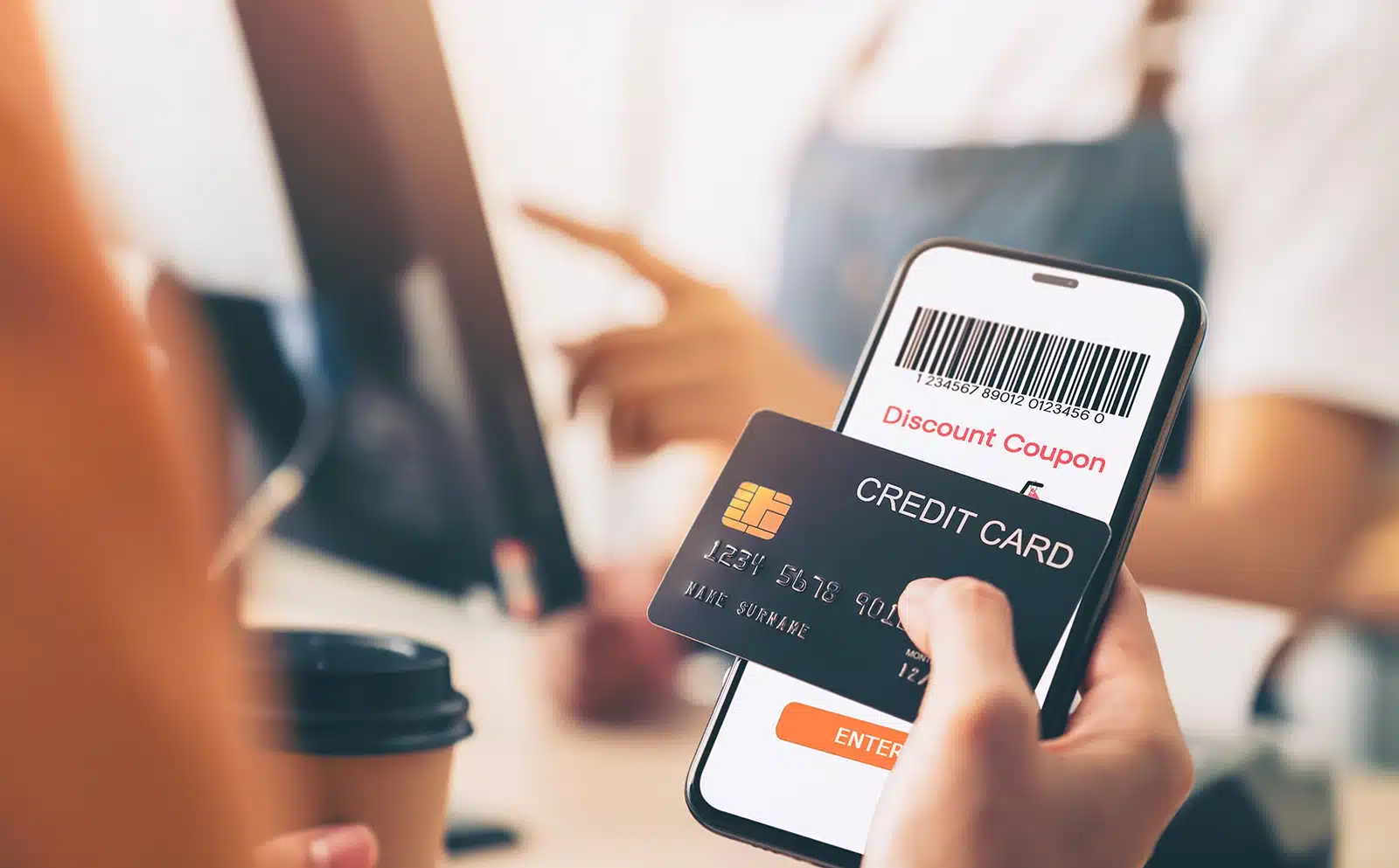

Loyalty programs are ubiquitous in 2024, and the reason is simple: they work. According to recent studies, 79% of consumers are more likely to continue doing business with brands that offer loyalty programs. It’s no wonder that you likely have a smartphone overflowing with apps offering various incentives to keep you coming back for more. These solutions are primarily designed for the Business-to-Consumer (B2C) market, but what about the Business-to-Business-to-Consumer (B2B2C) landscape? Do loyalty solutions exist in this more complex environment, and if so, how do they work?
In B2B2C (Business-to-Business-to-Consumer) sales, cultivating customer loyalty demands a strategic approach that extends beyond simply engaging the end consumer. It necessitates a comprehensive strategy that acknowledges and incentivizes the crucial role played by intermediary businesses while simultaneously nurturing a strong connection with the end users of your product or service. A well-crafted B2B2C loyalty program recognizes this dynamic, aiming to maximize engagement and drive sustainable growth across the entire value chain. Custom software solutions are becoming increasingly essential tools in designing, implementing, and managing these multifaceted programs, offering businesses the agility and precision to tailor rewards, track progress, and analyze the impact of their loyalty initiatives.
Summary
B2B2C loyalty programs must align incentives for both intermediary partners and end consumers, creating value across the entire chain. Custom software is foundational, enabling tailored reward structures, dashboards, training, co-marketing, personalization, gamification, community features, and seamless integrations with existing systems. With flexible, secure, data-driven platforms, brands and partners can increase engagement, advocacy, and sustainable growth.
Understanding the B2B2C Landscape and Its Unique Challenges
The B2B2C model presents a unique set of challenges for loyalty program design. It involves a complex interplay between three key players: your business, the intermediary business partner (e.g., retailer, distributor, or reseller), and the end consumer. Each of these players has distinct motivations and needs that the loyalty program must address — custom software is tailored to meet those distinct requirements.
The intermediary party plays an important role in promoting your product or service to the end consumer. Their expertise, recommendations, and customer service can significantly influence the consumer’s decision to purchase. Therefore, your loyalty program must incentivize the intermediary to prioritize your brand and actively advocate for your product. Custom software can create specialized dashboards and reporting tools for intermediaries, providing real-time data on sales performance, customer feedback, and reward progress.
Meanwhile, the end consumer’s loyalty is the ultimate goal; they’re the ones who will determine the long-term success of your product or service in the market. Your loyalty program must create a compelling value proposition for the end consumer, offering them rewards and experiences that encourage repeat purchases and brand advocacy. Custom software can enable personalized recommendations, targeted promotions, and gamification features to enhance the end consumer’s experience and foster loyalty.
Engaging the Intermediary: Building a Strategic Partnership with Custom Tools

The intermediary business partner is more than just a sales channel; they are a strategic partner in your B2B2C ecosystem. A successful loyalty program recognizes this partnership and offers incentives that align with the intermediary’s goals, and custom software can be instrumental in delivering those incentives.
- Custom software can be used to create tiered reward structures that are specifically tailored to the intermediary’s business model and goals. These structures can offer progressively more valuable rewards as intermediaries achieve higher sales volumes or other performance metrics, motivating them to strive for continued growth.
- Custom software can also facilitate co-marketing opportunities by providing tools for content sharing, lead generation, and joint promotional tracking. This can help strengthen the partnership between your business and the intermediary and drive mutual success.
- Additionally, custom software can provide a platform for delivering comprehensive training and ongoing support to intermediaries. Online training modules, interactive tutorials, and knowledge bases can empower intermediaries with the information and resources they need to become true brand ambassadors.
Engaging the End Consumer: Creating a Personalized Experience with Custom Software
The end consumer is the ultimate beneficiary of your product or service, and their loyalty is the key to long-term success. Loyalty program software enables you to collect and analyze valuable customer data, allowing you to tailor rewards, offers, and communications to individual preferences – personalization is paramount. Custom software can take personalization to the next level by integrating with your CRM system, social media platforms, and other customer touchpoints, creating a unified view of the customer and enabling even more targeted engagement.
Gamification can also be a powerful tool for engaging end consumers. Custom software can create unique gamification elements like challenges, quizzes, and interactive experiences that align with your brand identity and resonate with your target audience.
Building a sense of community among your end users is another effective strategy. Custom software can facilitate the creation of online forums, social media groups, or exclusive virtual events where end users can connect, share experiences, and provide feedback. This fosters a sense of belonging and loyalty that goes beyond simple transactional relationships.
The Role of Technology in B2B2C Loyalty: Custom Software as the Foundation
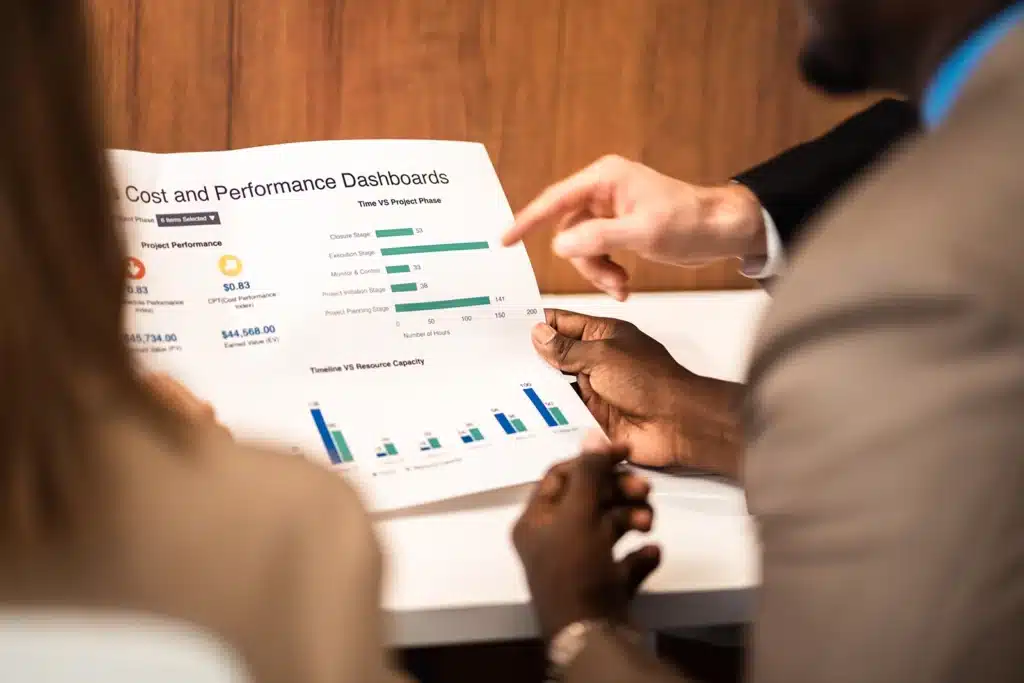
Loyalty program software is the linchpin of a successful B2B2C loyalty program. Custom software solutions, in particular, offer a level of flexibility and customization that off-the-shelf software often cannot match.
With custom software, you can build a loyalty program that is perfectly aligned with your brand, your business goals, and the unique needs of both your intermediaries and end consumers. You can create custom dashboards, reporting tools, reward structures, and portals tailored to your specific requirements.
Custom software also gives you greater control over data ownership and security, ensuring sensitive customer and intermediary data is protected. Additionally, custom software can be easily integrated with your existing systems, creating a seamless and efficient loyalty program experience.
Conclusion
As you can see, B2B2C loyalty can be a challenge, however, a well-designed loyalty program can be a game-changer. By leveraging custom software solutions, businesses can create a loyalty program that caters to the unique needs of both intermediaries and end consumers — driving engagement, fostering brand advocacy, and ultimately, achieving sustainable business growth. The investment in custom software is not just an expense, it’s an investment in the future of your business. For more services, visit our services page or schedule a call with us today.
FAQ
Question: How is a B2B2C loyalty program different from a typical B2C program?
Short answer: Unlike B2C programs that focus solely on end consumers, B2B2C loyalty programs must engage two audiences at once: intermediary partners (such as retailers, distributors, or resellers) and end consumers. They align incentives across the entire value chain—motivating intermediaries to prioritize and advocate for your brand while delivering personalized, compelling value to end users. Custom software makes this possible by tailoring rewards, tracking performance, and managing distinct experiences for both groups.
Question: What tools and incentives best motivate intermediary partners?
Short answer: Custom software enables tiered reward structures tied to sales or performance milestones, encouraging ongoing growth. It also provides partner-specific dashboards and reporting with real-time visibility into sales, customer feedback, and reward progress. Co-marketing capabilities (content sharing, lead gen, joint campaign tracking) strengthen collaboration, while embedded training—online modules, interactive tutorials, and knowledge bases—equips partners to act as informed brand ambassadors.
Question: How can the program deepen loyalty with end consumers?
Short answer: By using loyalty software to collect and analyze customer data and then tailoring rewards, offers, and communications to individual preferences. Integrations with CRM, social media, and other touchpoints create a unified customer view for more precise targeting. Gamification (challenges, quizzes, interactive experiences) boosts engagement, and community features (forums, groups, exclusive virtual events) foster belonging and advocacy beyond simple transactions.
Question: Why choose custom software over off-the-shelf solutions for B2B2C loyalty?
Short answer: Custom software offers the flexibility to align the program with your brand, goals, and the differing needs of partners and consumers. You can design bespoke dashboards, portals, and reward structures; maintain stronger control over data ownership and security; and integrate seamlessly with existing systems. This level of control and adaptability is often difficult to achieve with generic, off-the-shelf platforms.
Question: What outcomes can we expect from investing in a custom B2B2C loyalty platform?
Short answer: When incentives are aligned across intermediaries and end consumers, brands see higher engagement, stronger partner advocacy, and more repeat purchases—leading to sustainable growth. A custom, secure, data-driven platform also makes it easier to track progress, attribute impact, and optimize rewards and campaigns over time. In short, it’s a strategic investment that strengthens your entire value chain.